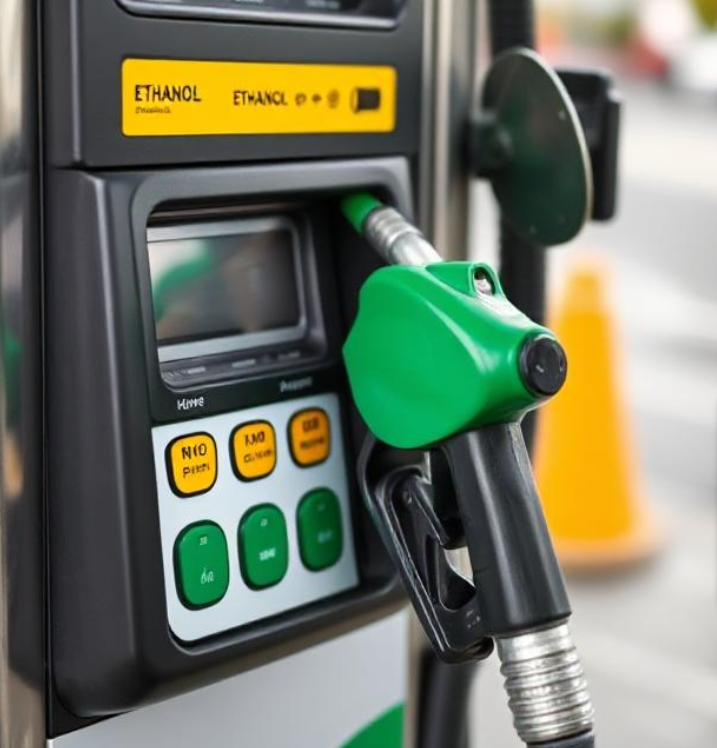
Why Vehicle Mileage Drops After 20% Blended Petrol Implementation
The implementation of 20% ethanol-blended petrol (E20) is a significant step toward reducing dependency on crude oil and promoting cleaner energy. However, many vehicle owners have raised concerns about a drop in mileage , engine vibration sound after switching to this blend. To understand why this happens, it is important to examine the science behind ethanol, its impact on CAR and Bike, and how vehicles are designed to handle this fuel.
Energy Content Difference Between Petrol and Ethanol
The main reason behind the mileage dropping the energy density of ethanol compared to petrol.
- Petrol contains around 34.2 megajoules per liter (MJ/L).
- Ethanol contains only about 24 MJ/L.
When blended at 20%, the overall fuel mixture has less energy per liter, which means the engine must burn more fuel to produce the same power. As a result, vehicles consume more fuel per kilometer, leading to lower mileage.
How Much Mileage Drop Can Be Expected with E20 Petrol?
Studies and field tests show that E20 petrol can cause a 15–20% reduction in mileage depending on the type of vehicle and driving conditions.
- A car giving 15 km/l on pure petrol may drop to around 10.5–14 km/l on E20 petrol.
- A two-wheeler offering 50 km/l on petrol may reduce to about 35–37 km/l on E20.
The exact impact varies depending on engine design, tuning, and maintenance.
Effects of 20% Ethanol Blend on Vehicle Performance
Beyond mileage, E20 fuel can also influence other aspects of vehicle performance:
- Cold Starts – Ethanol has lower volatility than petrol, making engines harder to start in cold conditions.
- Corrosion – Ethanol absorbs moisture, which may cause rust in fuel tanks and lines if the vehicle isn’t designed for it.
- Component Wear – Older engines with rubber seals and hoses not designed for ethanol may face faster wear and tear.
- Acceleration – Some vehicles may feel slightly less powerful since more fuel is required to achieve the same energy output.
Why Governments Still Promote E20 Petrol
Even with a mileage penalty, governments encourage ethanol blending because it offers long-term benefits:
- Reduces oil imports and strengthens energy security.
- Supports Bigger Company by using sugarcane, corn, or biomass for ethanol production.
- Lowers carbon emissions, contributing to climate goals, why not in use in Train?
- Boost renewable energy adoption and reduce reliance on fossil fuels. Why Airplane use Pure Petrol, use it there in Aero plane.
The trade-off is a major drop in mileage for consumers. Why should hide to customer, it should written on Petrol pump.
How to Minimize Mileage Loss with E20 Petrol
While the energy difference cannot be changed, drivers can adopt smart practices to reduce the impact on Mixed Oil:
- Maintain the engine regularly to ensure optimal combustion.
- Check tire pressure frequently to avoid unnecessary drag.
- Drive smoothly without harsh acceleration or braking. Clutch Plate issue.
- Use manufacturer-recommended fuel to avoid compatibility issues.
- Service fuel injectors and spark plugs for efficient burning of ethanol blends.
Future of Ethanol-Blended Fuels
Automobile manufacturers are already working on E20-compatible and flex-fuel engines to minimize efficiency losses. Future vehicles will be designed to handle ethanol better, ensuring performance and mileage are less affected.
With technological advancements, the mileage gap may reduce, making ethanol blends a is suitable option without consent of consumers.
Conclusion
The drop in vehicle mileage after implementing 20% blended petrol is primarily due to the lower energy of ethanol compared to petrol. While users may notice a 15–20% reduction in fuel efficiency, it is not broader benefits of ethanol—such as reduced emissions, lower oil imports, and support for renewable energy—make it a valuable transition fuel.
20% Carbon emission and Ton of ground water waste happened during Ethanol Manufacturing; petrol is natural oil it very less carbon emission as compared to Ethanol manufacturing. Consumer are paying the money for Petrol but they are getting Mixed Ethanol oil.
If farmers get more money from sugarcane, then they will not produce any other crops, in the long-term consumer goods are going to be costly.
Land will be UN-fertilized after sugarcane production in land, it impacted our soil.